
Walk into a gym, browse equipment online, or talk with new lifters, and you'll often hear the same assumption:
"A barbell is a barbell. They're all basically the same."
At first glance, it's easy to understand why. Most Olympic barbells are 7 feet long, weigh 20KG, and have sleeves on each end for loading plates. From a distance, they look nearly identical.
But just as two cars can look similar while performing very differently on the road, Olympic barbells can vary significantly in quality, performance, durability, and intended use.
One of the biggest differences lies in the steel itself. Not all steel is created equal. The quality, composition, and treatment of the steel determine how much load a bar can handle, how well it returns to straight after being stressed, and how long it will last. A well-manufactured barbell is designed to withstand years of heavy use without permanently bending, while lower-quality bars may begin to show wear or deformation much sooner.
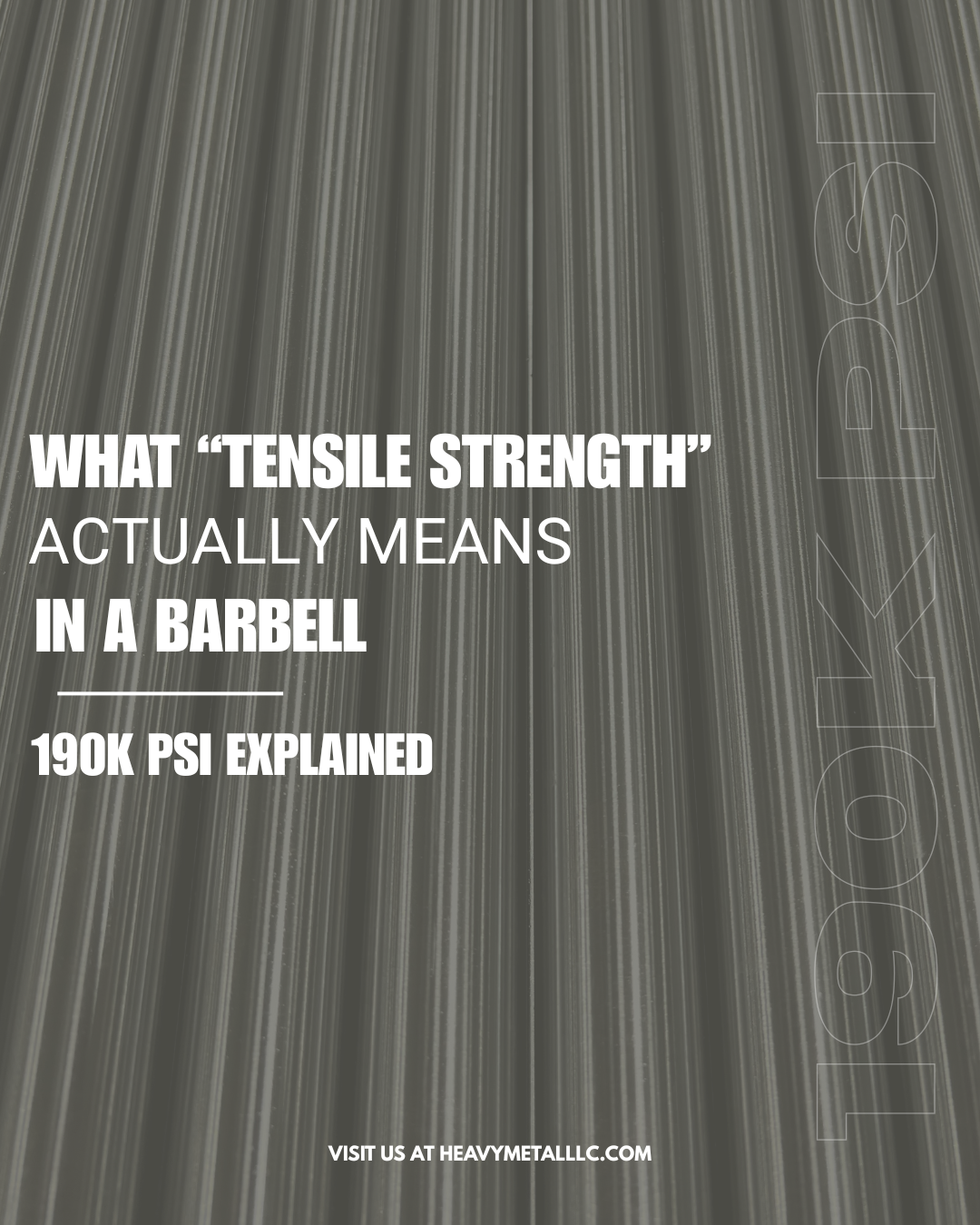
Another key distinction is tensile strength (which we talked about here), which is commonly measured in pounds per square inch (PSI). Tensile strength refers to how much stress the steel can withstand before failing. While a higher number isn't the only indicator of quality, it does provide insight into the strength of the material used. Serious lifters and facility owners should pay attention to these specifications rather than assuming all bars perform equally.
The rotation system is another major difference. Olympic barbells are designed with rotating sleeves to reduce stress on the wrists, elbows, and shoulders during dynamic movements. However, the way that rotation is achieved varies between manufacturers. Some bars use bushings, while others use needle bearings. The quality of those components and how precisely they are machined can dramatically affect the feel and performance of the bar.
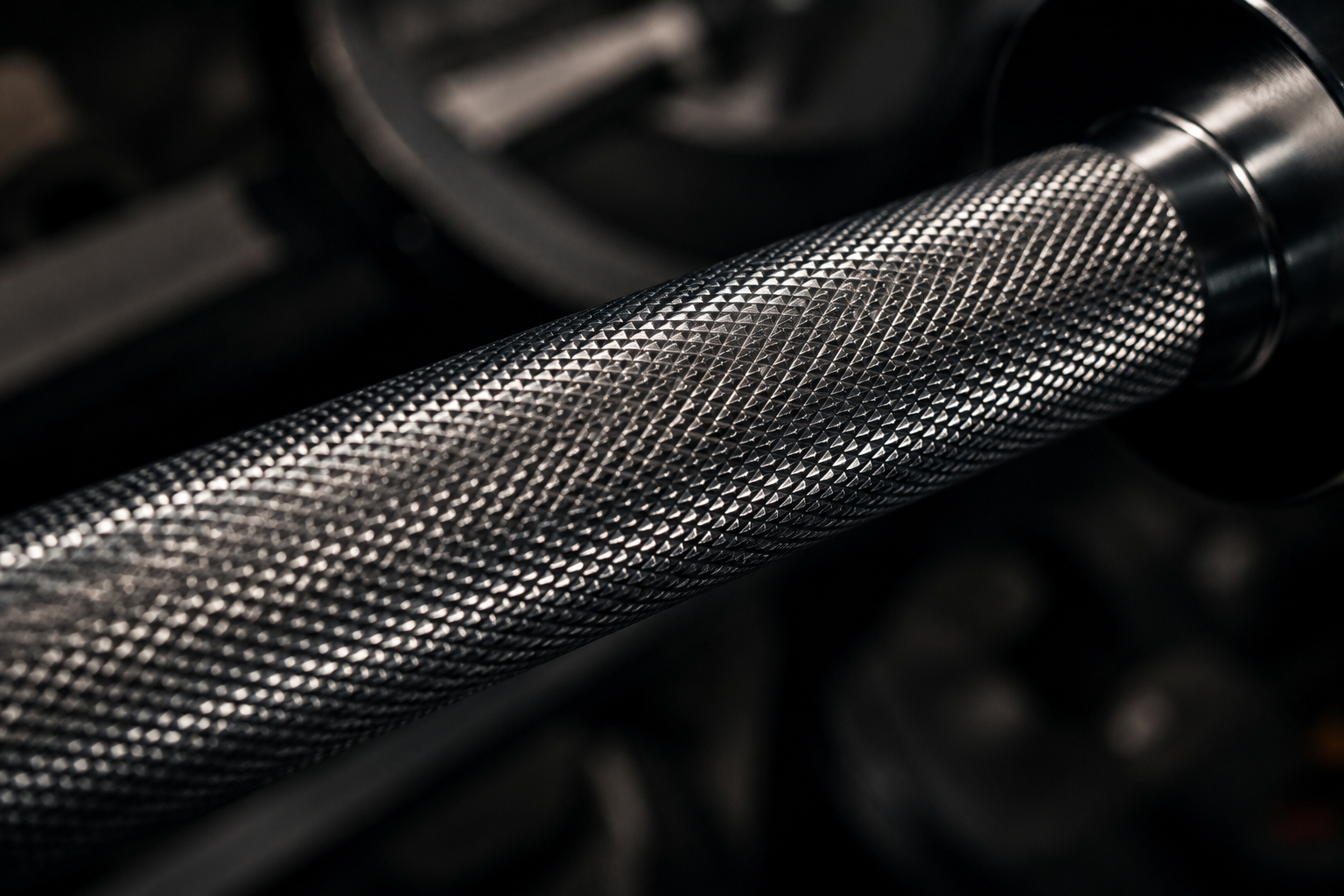
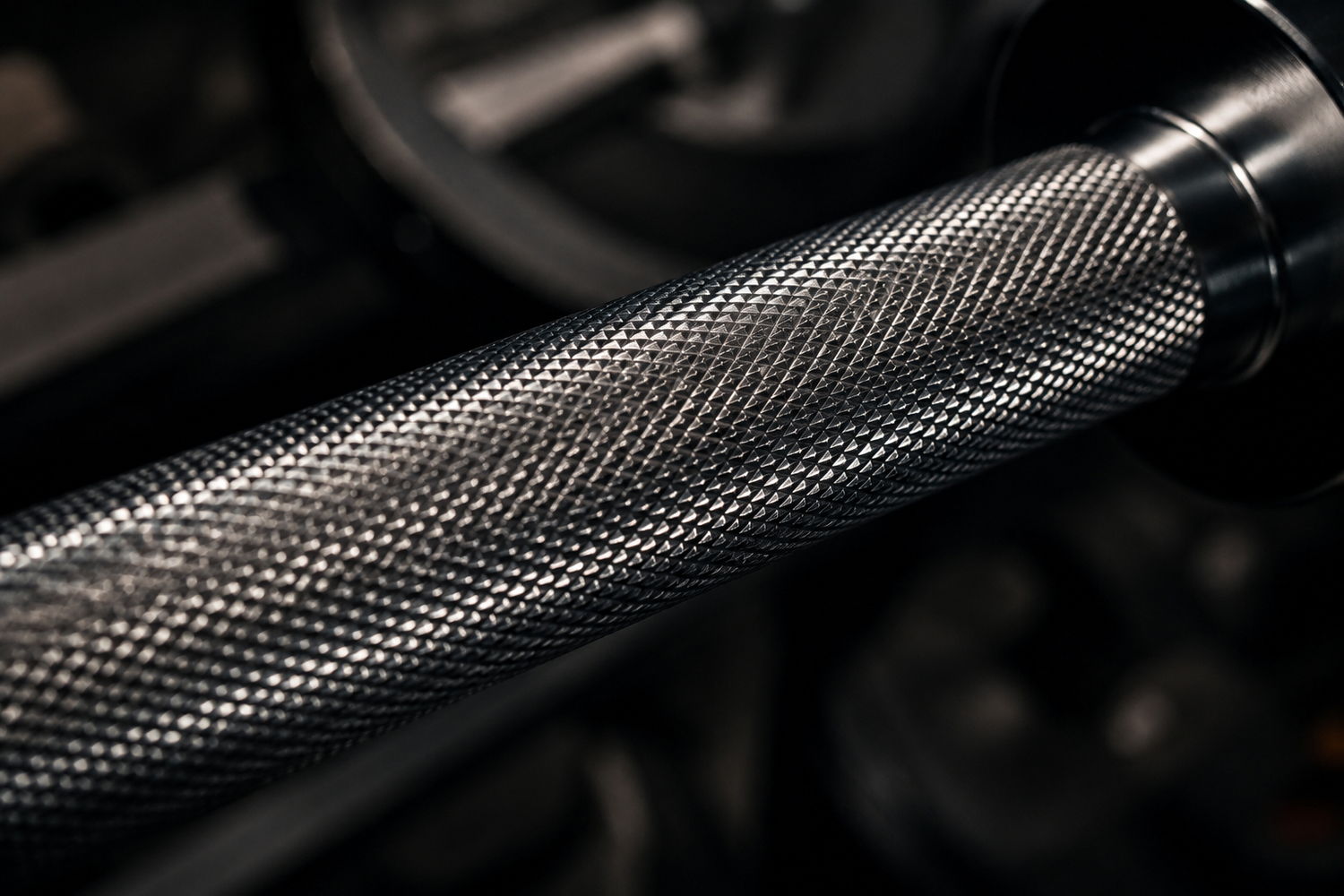
Then there's the matter of knurling, the textured pattern cut into the shaft of the bar. Knurling isn't simply decorative, it is the primary point of contact between the lifter and the equipment. The depth, consistency, and pattern of the knurling influence grip security and comfort. Two bars may appear similar in photos, yet feel completely different in the hands.
Manufacturing tolerances also matter more than many people realize. Precision machining, sleeve fit, straightness, and quality control all contribute to how a bar performs over time. Small differences in manufacturing can lead to noticeable differences in durability and user experience.
Finally, not all Olympic bars are built for the same purpose. Weightlifting bars, power bars, multipurpose bars, and training bars each have design characteristics tailored to specific applications. Choosing the right bar depends on how it will be used.
The next time someone says, "Every Olympic barbell is basically the same," remember that appearances can be deceiving. Beneath the surface are countless engineering and manufacturing decisions that influence performance, longevity, and safety.
A quality barbell is much more than a piece of steel. It's a precision tool designed to help athletes train, compete, and perform at their best. Understanding those differences is the first step toward making an informed equipment decision.
